CAS CAMPBELL
Cas Campbell works across painting, installation, and ceramic sculpture, exploring the intersections between history, ecology, and contemporary queer culture. Her practice brings together instinctive research, material experimentation, and personal experience, using historical narratives as a way to question the systems and binaries that continue to shape how we understand gender, nature, and identity. Moving between concealment and revelation, Campbell’s work invites slow looking and layered interpretation, allowing meaning to emerge through form, colour, and story rather than fixed explanation.
.jpg)
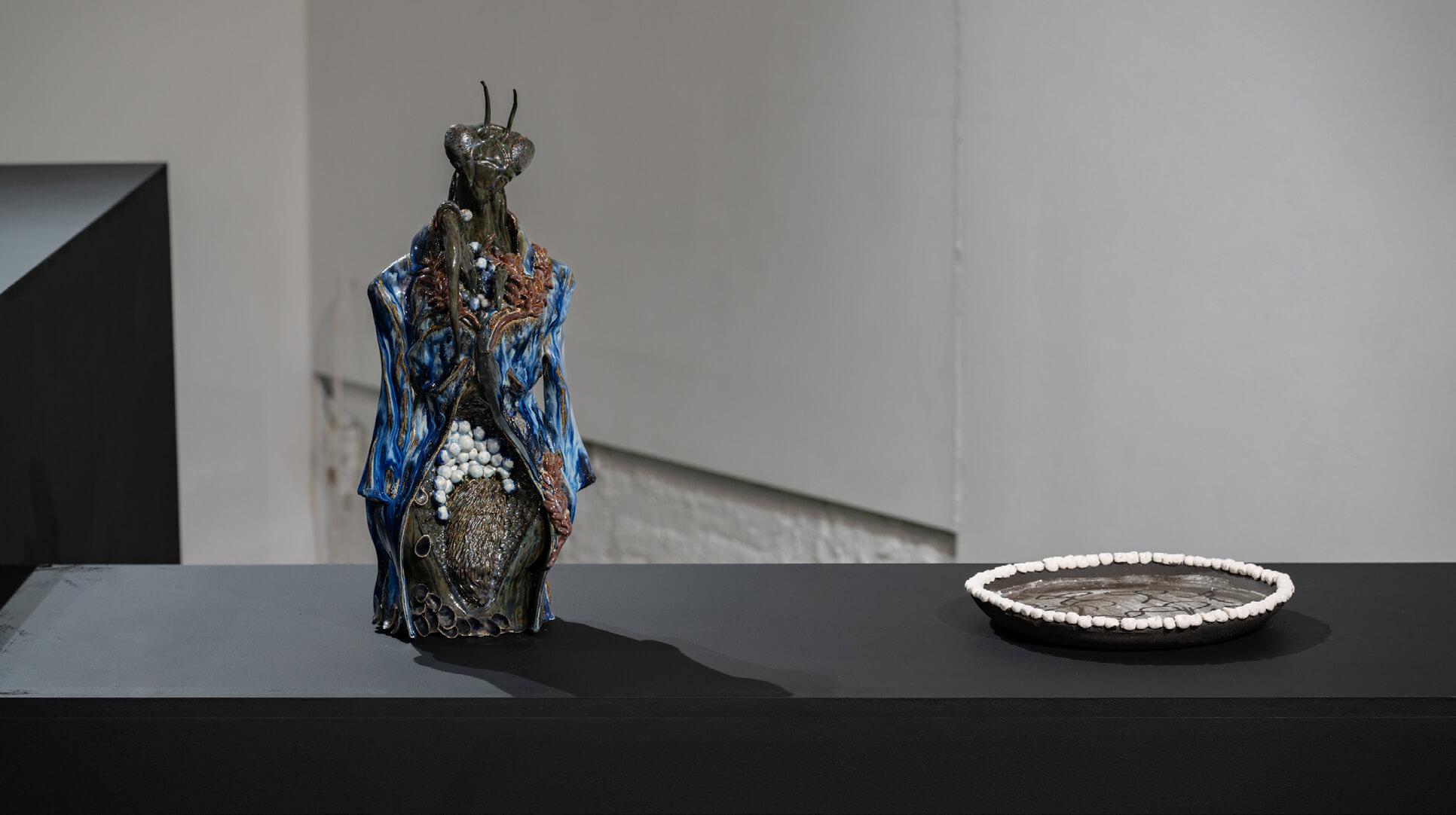
BLCKGEEZER & Cas Campbell
@ Sherbet Green - 2026
CONVERSATION
Current Work
How would you describe your artistic practice in a few words?
I make paintings, installations, and ceramic sculptures. I am particularly interested in the intersections between history, ecology, and contemporary queer culture, and in how those things intersect and inform one another.
What themes or ideas are central to your work right now?
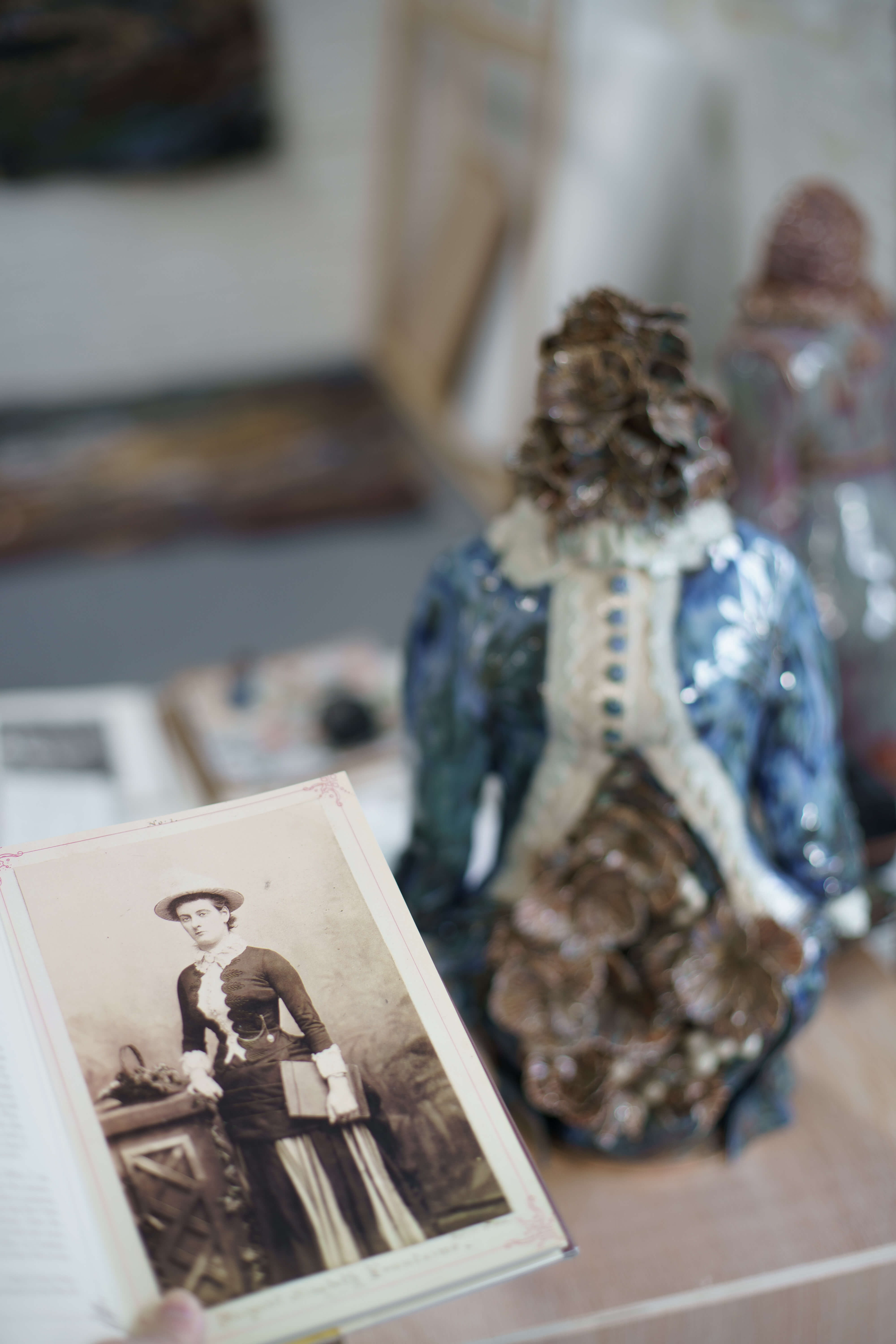
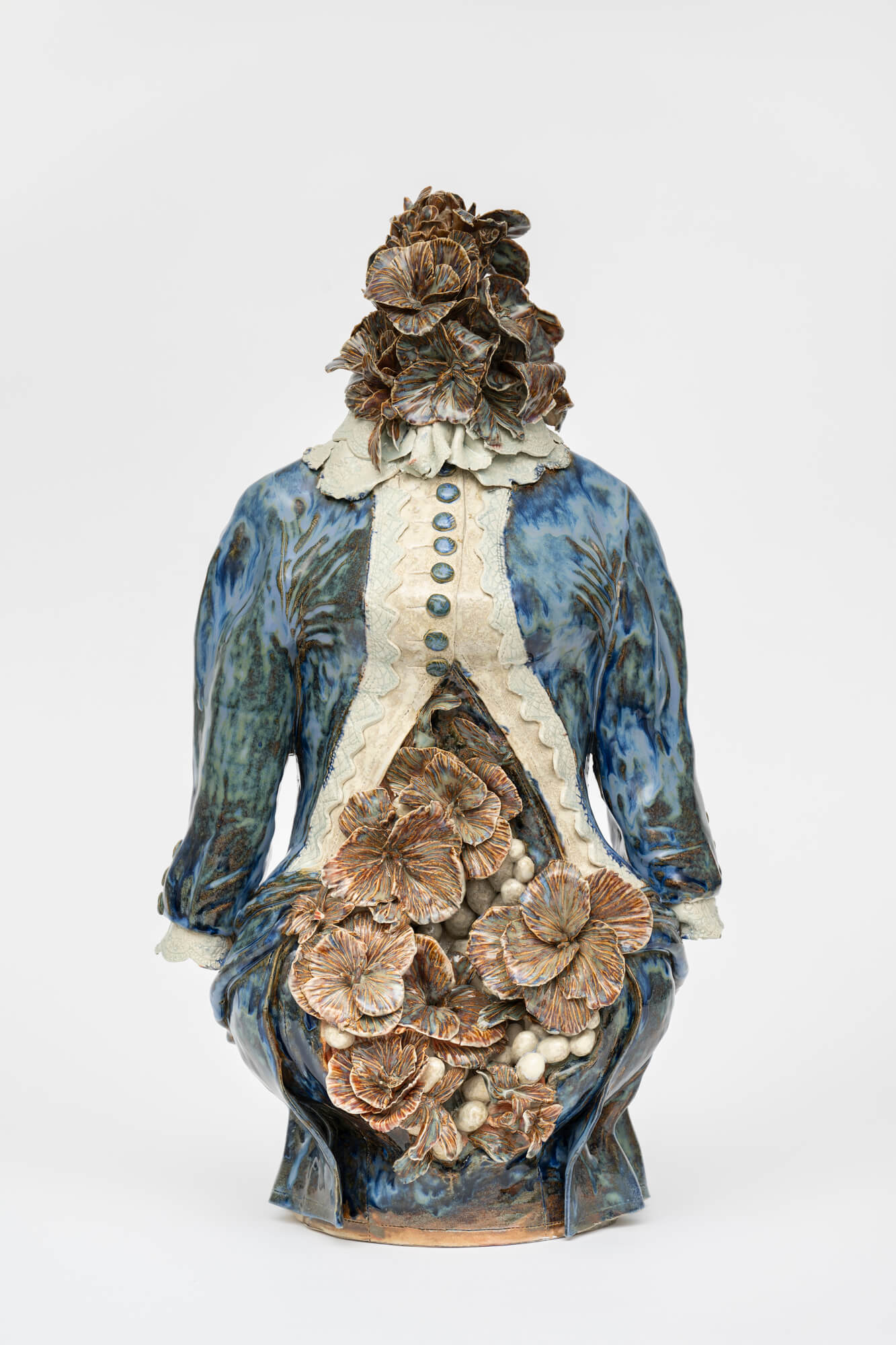
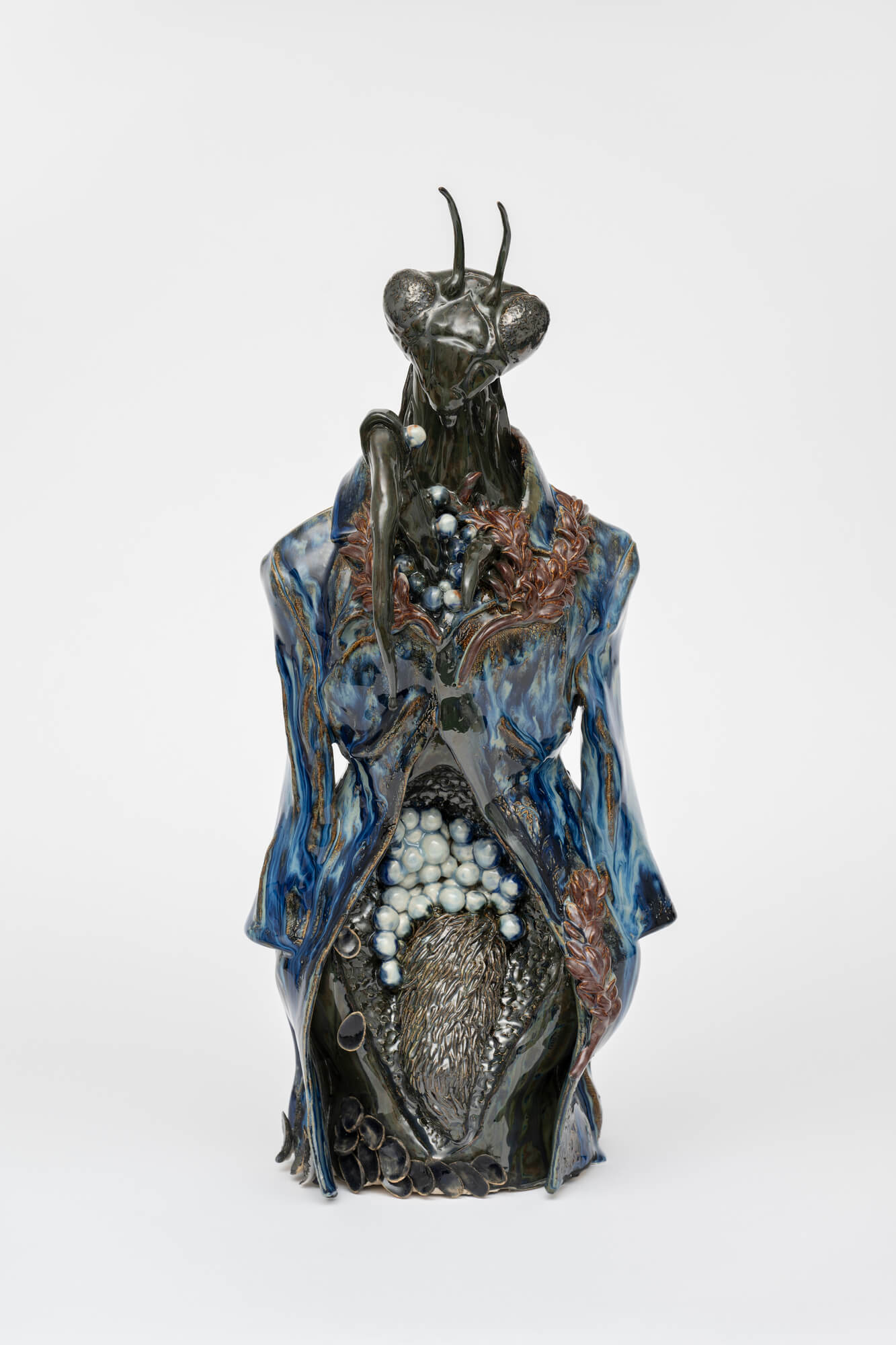
For the work I am showing at the moment, I have been looking closely at female historical figures from the 16th and 17th centuries, drifting slightly into the 18th. These women were pioneers, mostly within the arts and natural sciences, and they broke the gender binaries of their time in different ways.
What really interests me is how history, and ecological history more broadly, presents certain systems and binaries as fixed. Gender hierarchies, sexual orientation, and social divisions appear stable, yet when we look at longer evolutionary histories, we see that all of these systems have changed at different moments and become more or less important. I was particularly drawn to this era because it combined intense social repression, especially for women, with an enormous expansion of knowledge and scientific understanding. That contrast felt significant.
What are you currently working on and excited about?
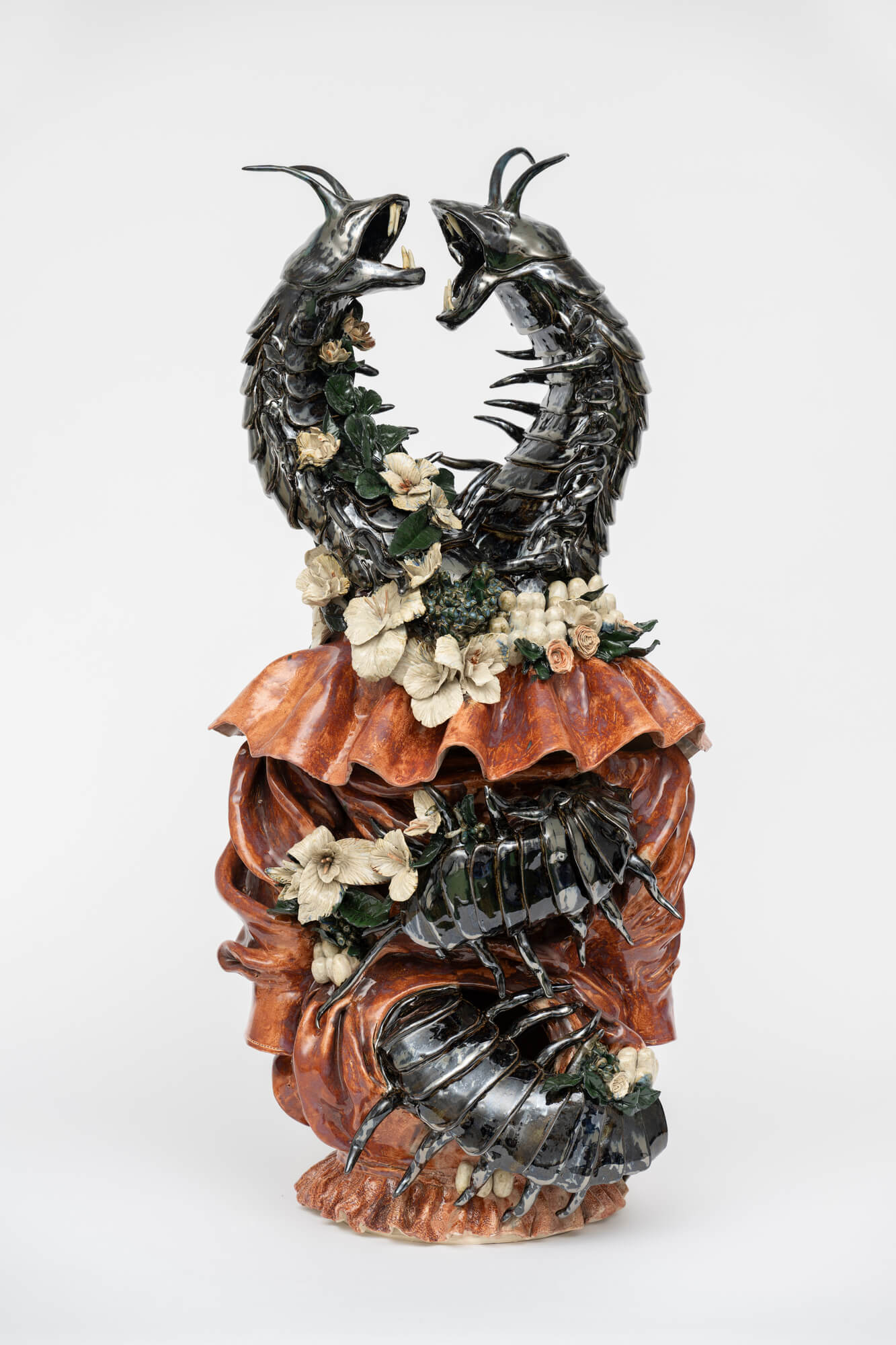
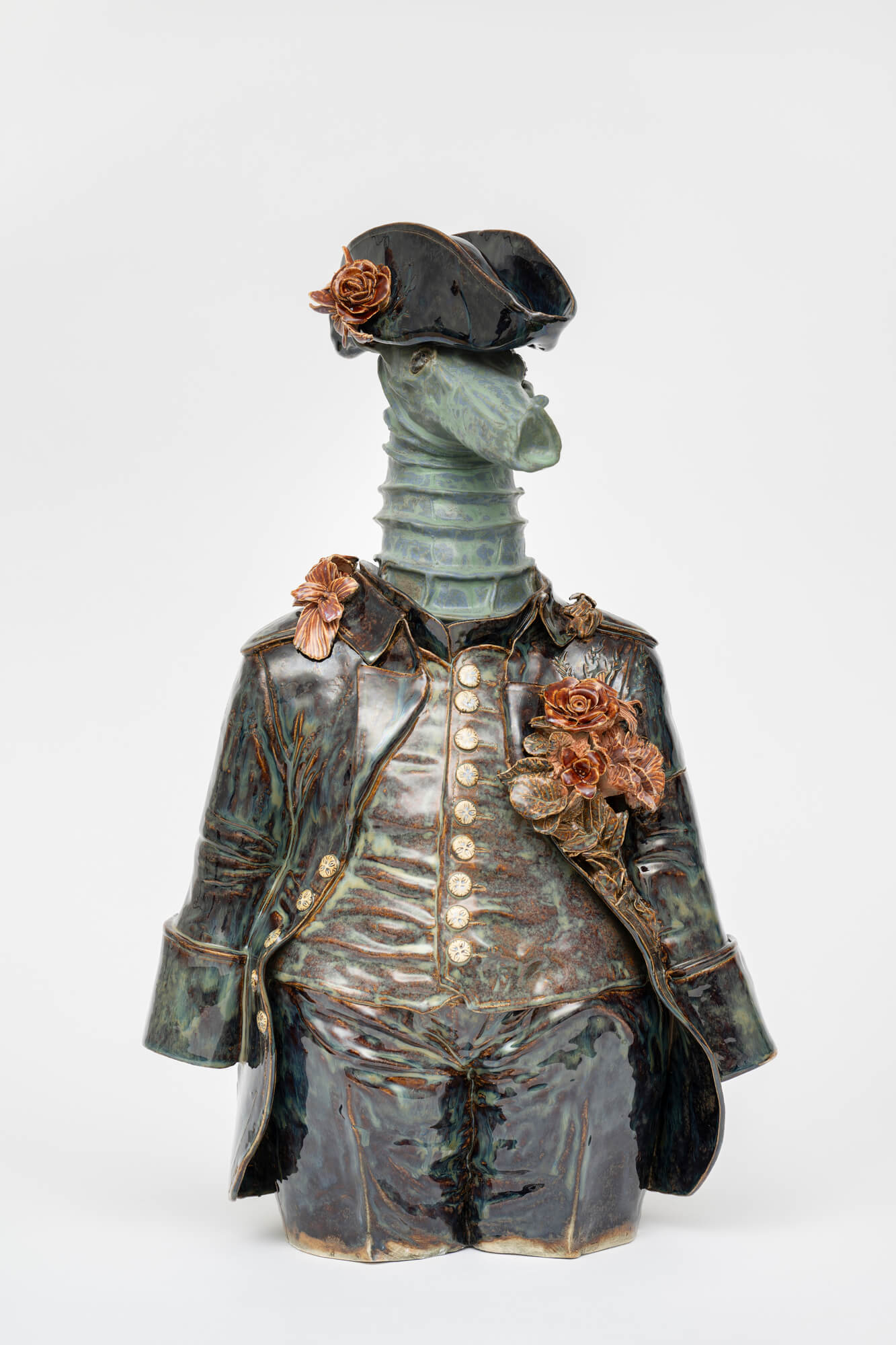
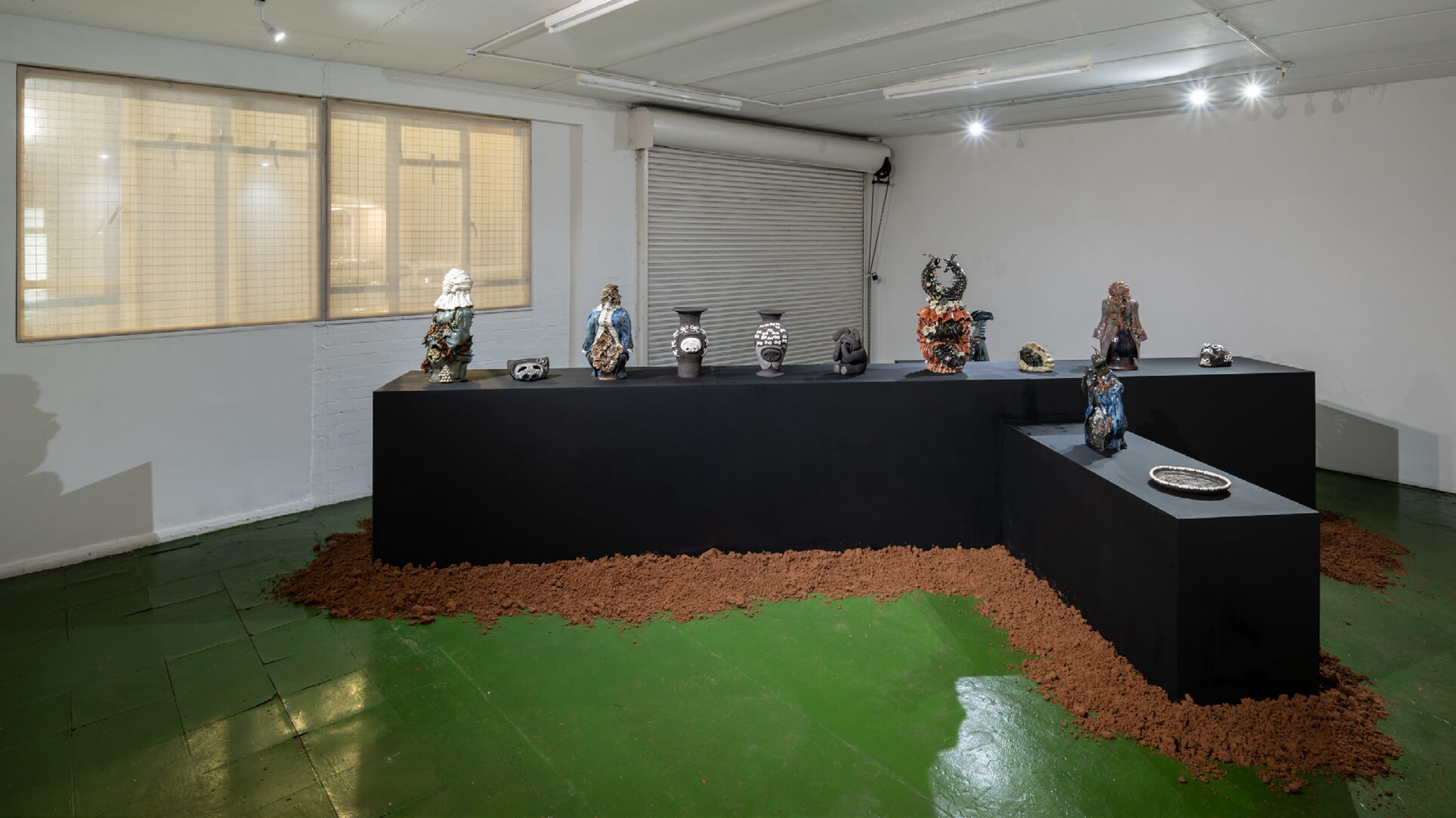
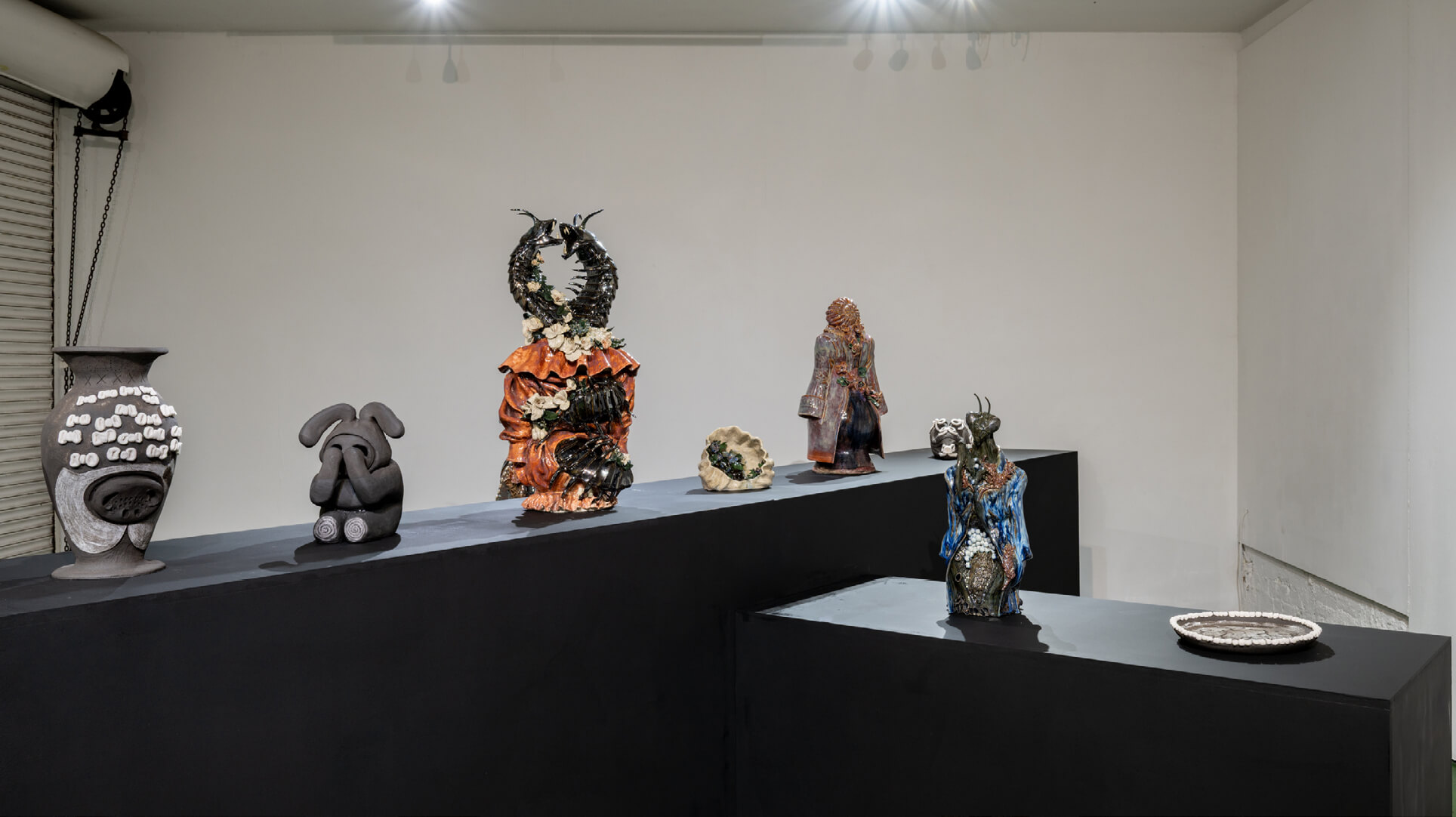
Right now, my focus is on a duo exhibition titled (Icon)oclast, showing with BLCKGEEZER at Sherbet Green Gallery in London.
The exhibition brings together a body of work that reflects these ongoing interests, using historical figures as a way to think about the systems and structures we are still living with today. Working in a duo format has also been an important part of the process, allowing space for dialogue and for different experiences to sit alongside one another within the exhibition.
Anything that inspires you in particular?
I would describe myself as a light-touch, impulsive researcher. When I try to research things in a very thorough, academic way, the work can start to feel forced, and I often end up giving up on it.
A lot of the figures I work with arrive through chance. Mary Anning came into my work through a homeschooling project with my son. Margaret Fontaine appeared because my partner found a biography of her in an old bookshop while we were on holiday. I tend to follow the stories that arrive unexpectedly and feel exciting in the moment, rather than sitting down to research in a very structured way.
Exploring your identity
How would you define your visual or brand identity?
My work is very rooted in nature and ecology. Until recently, all of the imagery I used was drawn entirely from the natural environment. It is only in my more recent ceramic sculptures that I have started to introduce human elements, such as clothing.
My colour palette is also closely connected to nature. My paintings use natural pigments, dyes, ochres, and mineral colours. Even when a colour looks very bright, such as blue, it often comes from copper pigments. Because of that, when I work with ceramics and commercial glazes, I try to stay within the same natural palette.
Are there particular values or moods you aim to convey?
For a long time, my work was very autobiographical, and that created a complicated relationship with visibility. There was a real fear of being seen or sharing too much, and I responded to that by creating layers of abstraction and concealment.
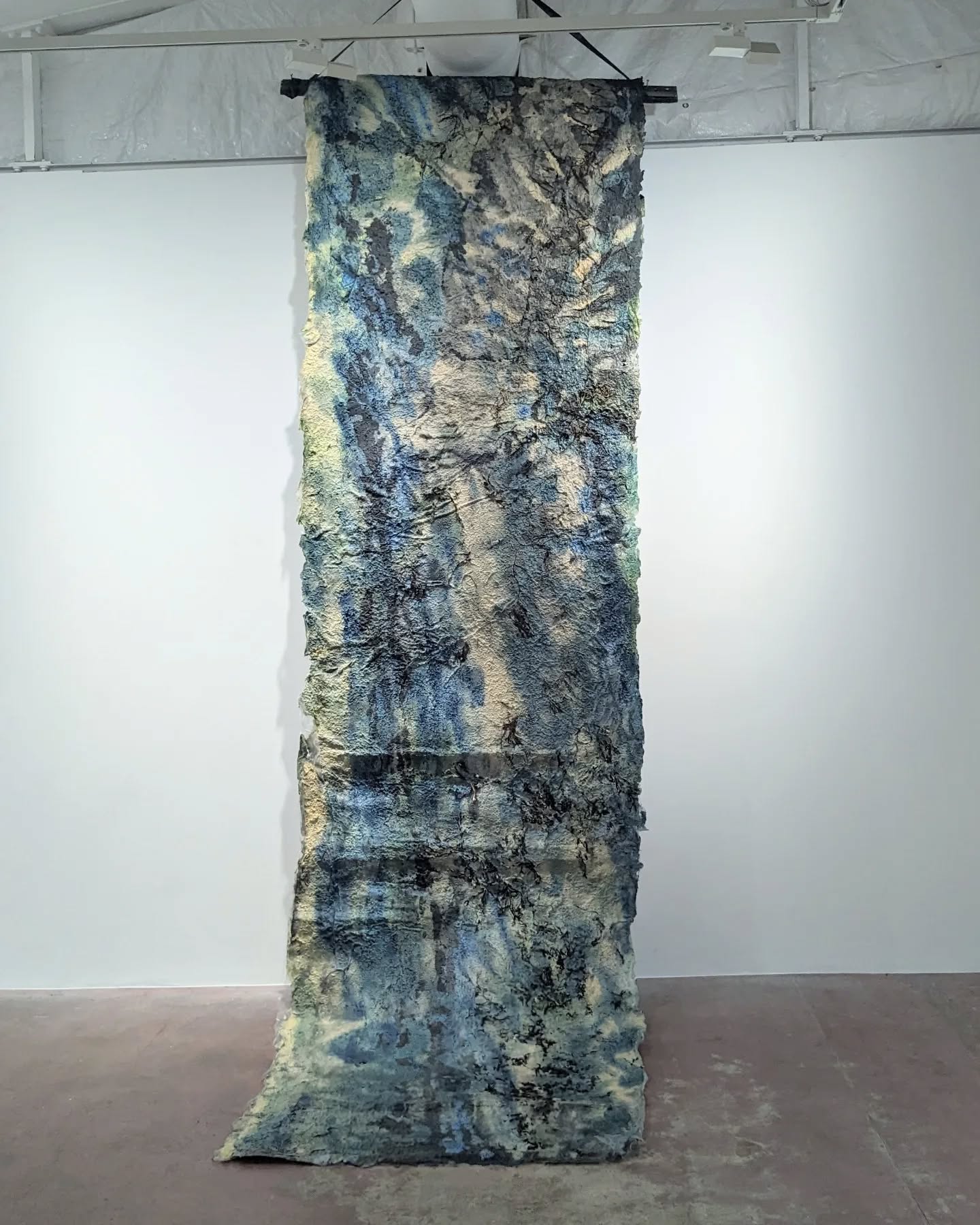
My paper wall hangings, for example, were built from camouflage patterns drawn from ecological landscapes or moth wings, sometimes hiding portraits beneath them. Working with historical figures has felt freeing by comparison. It has allowed me to be more straightforward, while still leaving space for ambiguity and interpretation.
How you bring your artistic identity to life
How do you express your identity in how your work is presented?
Alongside almost every artwork I have made, there has been a large amount of writing. Most of the time, that writing never appears in the exhibition, and deciding what to include has been an ongoing challenge.
My first solo exhibition, which took place on a boat, was the first time I was able to fully control the environment. I created an immersive installation with a 20-metre sculptural work made from recycled paper and pigments, supported by oxidised copper poles. Alongside it, I shared a shortened wall text and an audio recording layered with the sound of water against the boat.
That piece came from experiences of being diagnosed as autistic later in life, growing up in an overwhelming sensory environment, and childhood memories of the sea in New Zealand. The work used the metaphor of drowning and learning how to swim, both personally and ecologically. Sharing the writing and sound created conversations that would not have happened otherwise.
Have any of those elements become signature to your practice?
Writing has always been there, even when it is not visible. I am increasingly interested in how writing and sound can support the work without fixing its meaning too tightly. At the same time, I have learned to accept that people will always read the work in their own way, even when it differs from my intention.
Looking ahead
What’s your next big focus or direction?
I would really like to make more installations. They allow me to work with materials and ideas that might not sit comfortably within a single medium, even if they are not always the most commercially viable.
Is there something you’d love to do more of creatively?
I am curious about many materials. I would love to work with glass or stained glass, and I would like to return to welding, which I have done in the past. I have to be quite strict with myself, because if I let myself, I would try to do everything.
I am also interested in continuing to write. Writing often feels easier than making art, because it comes together quickly, whereas ceramics and installations take a long time. Sharing writing still feels vulnerable, especially when it touches on things like autism, early motherhood, or growing up queer, but I have seen how meaningful those conversations can be when I allow them to happen.
Photography credits: Sherbet Green (Icon)oclast and artwork images by Damian Griffiths Studio. Portrait and studio material by Nigel Ip.
published on 17th January 2026
www.cascampbell.cominstagram.jpg)
.jpg)